

Blade massage
How does body blade massage work?
The massage is performed using blades with a smooth, curved surface, which the specialist glides over the skin at different angles — along muscle fibers and fascia. This makes it possible to work precisely and gently with deep body structures without causing pain or discomfort. According to studies, fascial techniques similar to blade massage reduce back pain in 75% of patients after 3–4 sessions.
After the session, you will feel lightness in the body, reduced pain and tension, improved tone, and a new level of inner balance.
Indications and contraindications
Who is blade massage recommended for?
- For muscle tension and pain
- To improve joint mobility
- To enhance blood circulation and lymphatic flow, tissue flexibility
- To increase muscle and fascia tone
- To reduce swelling, support body contouring, and help with stretch marks and loose skin
When should you refrain from the procedure?
- Oncological diseases
- Acute inflammatory processes, high fever
- Skin diseases and infections
- Thrombosis and blood clotting disorders, pronounced varicose veins
- Pregnancy
- Acute injuries or damage to muscles and joints
- Intestinal function disorders
- Allergic conditions with skin rashes
- Acute myocardial ischemia
How does a blade massage session take place?
- Skin preparation: The specialist begins with manual techniques on dry skin to activate circulation and prepare the tissues, then moves on to massage using oil — for deeper warming of the skin, fascia, and muscles, and to increase tissue sensitivity to further work.
- Assessment: Using the blade, a visual and tactile assessment is carried out to identify areas of muscle spasms or stagnation.
- Work on problem areas: The massage therapist uses blades at different angles, allowing work on both superficial tissues and deeper layers, including fascia and muscle structures.
- Final stage: At the end of the session, the therapist works through the main areas of the body to consolidate the results and bring the tissues into a state of relaxation.
Recommended course of procedures:
1–3 sessions per week, depending on individual needs
Course: 10–12 sessions
*Sometimes minor bruising may appear after sessions — this is a normal tissue response to deep work.

Worried about back pain, depression, digestive problems or slow recovery after childbirth? In cases where traditional medicine gives up, osteopathy comes to the rescue.

Thai massage is a holistic method of working with the body: gentle pressure, stretching, rhythmic movements, and deep attention to energy lines. It is more than just relaxation. It is a touch that restores the flow of energy, releases deep muscular tension, and brings lightness back to the body.

Wellness consultation is an assessment of your health status, daily rhythm, nutrition, activity, biological age, and fitness level of a person. Based on your personal indicators and data from the Tanita analyzer, it determines your condition, after which a specialist provides you with personalized recommendations.

Osteopathic facial massage is a preventive and therapeutic method of influencing the skin and muscles of the face. The procedure is performed in the presence of dull, sagging skin, bags and bruises under the eyes, wrinkles, pronounced nasolabial folds, "crow's feet".

Visceral massage is a massage technique that helps remove stagnation in internal organs and relieve reflex pain caused by somatic diseases.

Energetic osteopathy is a method aimed at aligning the body with holistic health, where we use the body as an indicator of the subtle spheres of a person: emotions, worldview, upbringing, generational influences, innate information (regressions and transpersonal spheres), and your innate potential.

Touch is one of the necessary instincts embedded in a person. A pleasant touch can calm, relax the body, help put your thoughts in order and start certain mechanisms in the body that will certainly lead to self-healing.
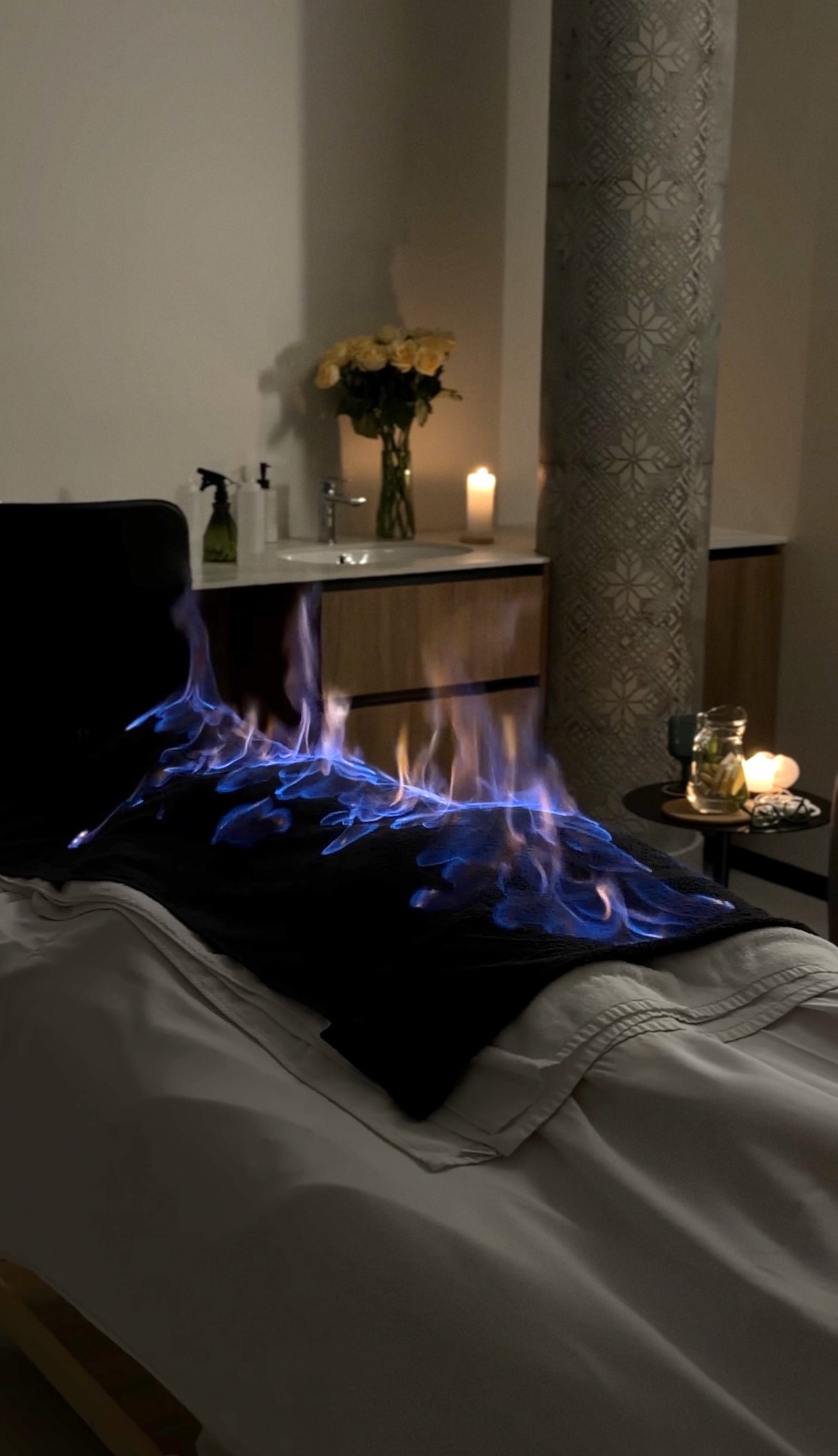
Fire Massage is a deep reset for the body through the safe use of fire. This restorative heat therapy helps the body release accumulated fatigue, relieve muscle spasms, deeply relax the muscles, and improve blood and lymph circulation.

Problems of the musculoskeletal system in children, diseases of the respiratory tract, visual impairment, distortion of posture (children's scoliosis), incorrect bite, children's flat feet - are treated with the help of children's osteopathy.

Therapeutic massage is a delicate massage technique based on the principles of osteopathy. Therapeutic massage has a complex effect on the body and restores the natural mechanisms of self-regulation.

Bioresonance diagnostics is a modern method of quick, effective and comprehensive diagnosis of the state of health.

Lymphatic drainage massage is a procedure that stimulates blood circulation and lymph circulation. The positive effect is achieved by pumping the intercellular fluid through the lymphatic vessels.

Contouring massage is a special "work" with the body that combines anti-cellulite, lymphatic drainage, and physiotherapeutic techniques. The massage is aimed at "breaking" fat deposits, normalizing blood and lymph circulation, accelerating metabolism, and even correcting posture, which depends on the correct position of muscles.

Sports massage is a complex of classic techniques that contribute to the physical improvement of an athlete. The goals are as follows: recovery after training, injuries, increasing performance in classes.

A hot wrap using Cello Gel is a rejuvenating treatment for your skin, bringing back its health, beauty, and vitality. This procedure helps correct cellulite and problem areas of the body.


