

Thai massage
What is Thai massage at SoulBody?
Thai massage is an ancient system of body therapy that originated more than 3,000 years ago and is also known as Buddha massage. It combines gentle pressure, stretching, work with energy lines, and elements of passive yoga. It is more than simple relaxation. It is a touch that restores the circulation of energy, releases deep muscular tension, and returns lightness to the body.
This technique comes from the traditions of Eastern medicine and has preserved its deeper meaning: helping the body remember how to be in balance. It does not impose — it listens. It does not force — it works with what is already present in the body, gently restoring space and movement.
At SoulBody, we offer two formats:
– traditional Thai massage — performed on a special mat in comfortable clothing. It is deeper and more structured, with stretching and point techniques that resemble passive yoga and body meditation.
– Thai oil massage — performed on a massage table using warm oil for gentle contact. It is softer and more relaxing, improves circulation, and brings a sense of harmony.
Both options share one thing: they help the body “exhale,” release tension, and reconnect with inner wholeness and calm.
How is Thai massage different from classic massage?
Thai massage is a holistic method of working with the body: gentle pressure, stretching, rhythmic movements, and deep attention to energy lines. It can be performed either in the traditional clothed mat format or on a table using oil. In both cases, the focus is on balance, restored mobility, and inner reset.
Classic massage mainly focuses on muscles — its goal is to knead and release tension in specific areas. It is a more localized, physical-level approach.
Thai massage works deeper: through the body — to emotions, through touch — to inner state.
What techniques are used?
Our practitioners use pressure with palms, fingers, elbows, knees, and even feet. In the traditional format, the emphasis is on stretching and deep muscle work; in oil massage — on lymphatic drainage and gentle deep relaxation.
Is special clothing required?
For traditional Thai massage, we provide comfortable clothing, or you may bring your own if you prefer. For oil massage, comfortable underwear or disposable options are sufficient.
Indications for Thai massage
Muscle tension (back, neck, shoulders)
Psycho-emotional exhaustion, stress, anxiety
Sleep disturbances, headaches, feeling of heaviness in the body
Tired legs syndrome, poor circulation, stagnant processes in the lymphatic and venous systems
Who should not receive Thai massage?
Contraindications:
Acute inflammatory conditions
Heart conditions, thrombosis
Oncology, first trimester of pregnancy, severe skin diseases
Thai massage Obolon: how does a session go?
The practitioner always begins with a short conversation to understand your needs and current condition. Then follows a deep yet gentle immersion into bodywork: slow rhythmic pressure, stretching, warm hands, and attentive care for every area.
How long does a session last?
You can choose the session duration — 60, 90, or 120 minutes — depending on your preference and the condition of your body.
How often should Thai massage be done?
The optimal frequency is once a week or once every 10 days to keep the body toned and release deep tension.

Worried about back pain, depression, digestive problems or slow recovery after childbirth? In cases where traditional medicine gives up, osteopathy comes to the rescue.

Wellness consultation is an assessment of your health status, daily rhythm, nutrition, activity, biological age, and fitness level of a person. Based on your personal indicators and data from the Tanita analyzer, it determines your condition, after which a specialist provides you with personalized recommendations.

Osteopathic facial massage is a preventive and therapeutic method of influencing the skin and muscles of the face. The procedure is performed in the presence of dull, sagging skin, bags and bruises under the eyes, wrinkles, pronounced nasolabial folds, "crow's feet".

Visceral massage is a massage technique that helps remove stagnation in internal organs and relieve reflex pain caused by somatic diseases.

Energetic osteopathy is a method aimed at aligning the body with holistic health, where we use the body as an indicator of the subtle spheres of a person: emotions, worldview, upbringing, generational influences, innate information (regressions and transpersonal spheres), and your innate potential.

Touch is one of the necessary instincts embedded in a person. A pleasant touch can calm, relax the body, help put your thoughts in order and start certain mechanisms in the body that will certainly lead to self-healing.
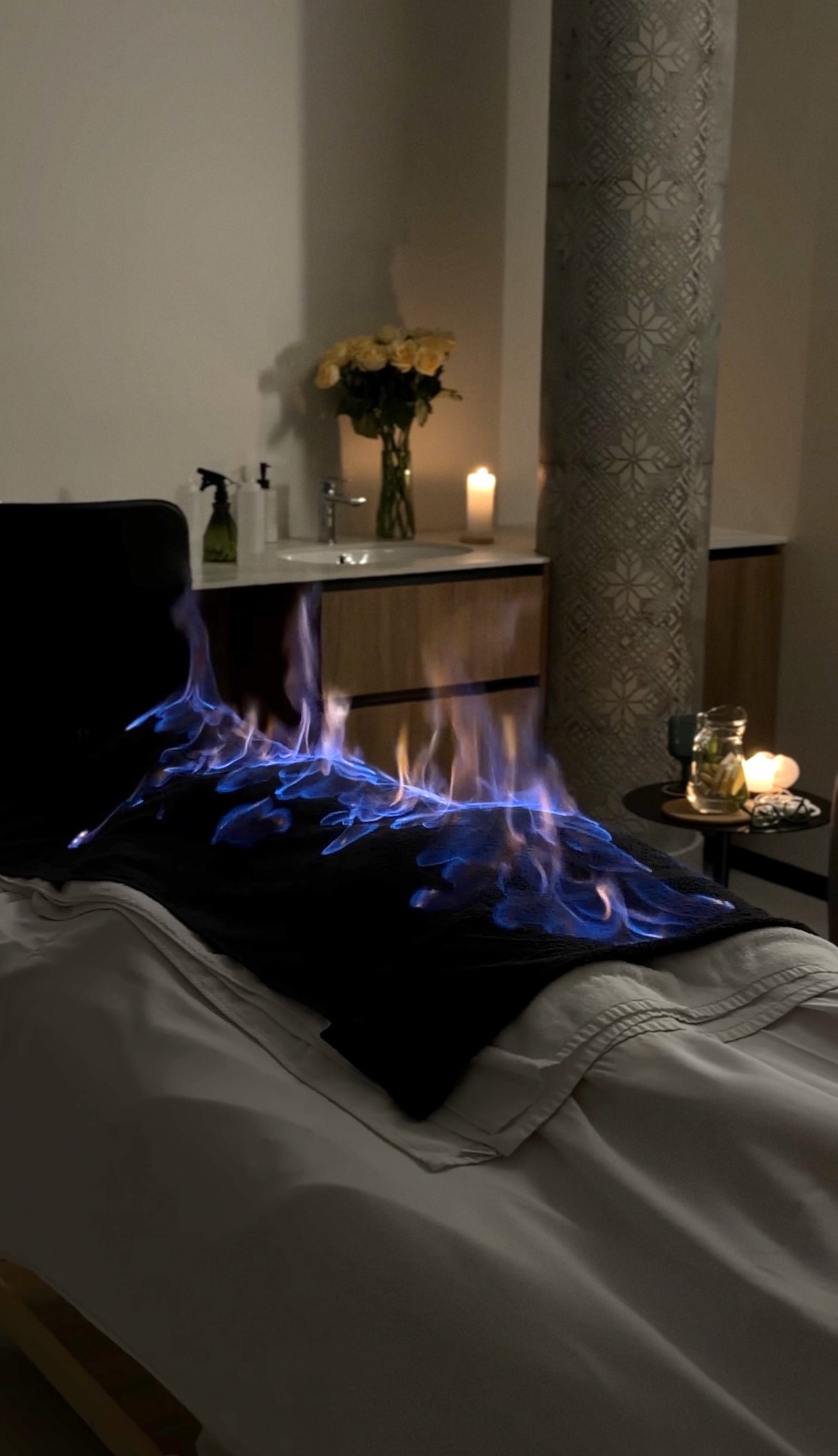
Fire Massage is a deep reset for the body through the safe use of fire. This restorative heat therapy helps the body release accumulated fatigue, relieve muscle spasms, deeply relax the muscles, and improve blood and lymph circulation.

Problems of the musculoskeletal system in children, diseases of the respiratory tract, visual impairment, distortion of posture (children's scoliosis), incorrect bite, children's flat feet - are treated with the help of children's osteopathy.

Therapeutic massage is a delicate massage technique based on the principles of osteopathy. Therapeutic massage has a complex effect on the body and restores the natural mechanisms of self-regulation.

Bioresonance diagnostics is a modern method of quick, effective and comprehensive diagnosis of the state of health.

Lymphatic drainage massage is a procedure that stimulates blood circulation and lymph circulation. The positive effect is achieved by pumping the intercellular fluid through the lymphatic vessels.

Contouring massage is a special "work" with the body that combines anti-cellulite, lymphatic drainage, and physiotherapeutic techniques. The massage is aimed at "breaking" fat deposits, normalizing blood and lymph circulation, accelerating metabolism, and even correcting posture, which depends on the correct position of muscles.

Sports massage is a complex of classic techniques that contribute to the physical improvement of an athlete. The goals are as follows: recovery after training, injuries, increasing performance in classes.

A hot wrap using Cello Gel is a rejuvenating treatment for your skin, bringing back its health, beauty, and vitality. This procedure helps correct cellulite and problem areas of the body.

Applied kinesiology is a new direction in medicine, in which the diagnostic method is based on the statement that any health disorder is reflected in muscle tone.


